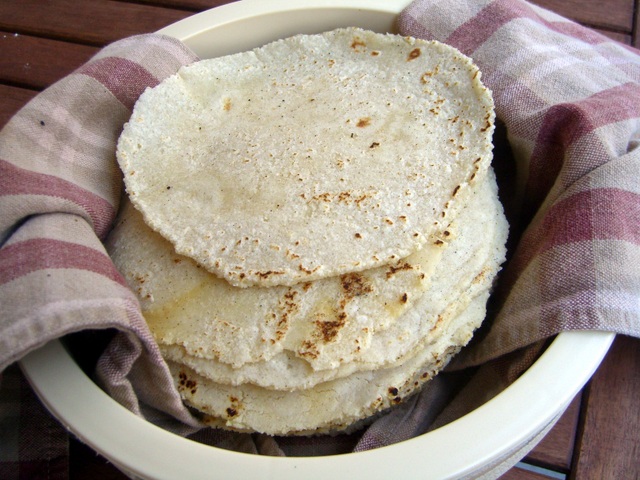
In March 2022, I was on a Swiss TV cooking show, Mini Chuchi Dini Chuchi, where I made a typical California-Mexican taco platter. Here are the recipes from the show and how to source these ingredients in Switzerland in case you miss Mexican food as much as I do. Buen provecho!
Swiss TV – Mini Chuchi, Dini Chuchi
Through a friend, I ended up on the Swiss TV show – Mini Chuchi, Dini Chuchi (see show here). Five home cooks take turns hosting the others for a meal. Each week has a theme and our week was USA food. The guests judge your food and at the end of the week, the cook with the most points wins a prize.

Why did I cook Mexican food?
I grew up in San Diego California near the border of Mexico (part of Mexico until 1848), where we eat all sorts of Americanized Mexican food all the time. My great-grandmother grew up in Mexico, just over the border and my grandmother grew up in Arizona, also on the Mexican border. You can see her in the pic below, calling through the door to my father and his cousins who were shucking corn so she could make green corn tamales. I’m sure our food is far from authentic Mexican, but it’s heavily influenced by it.
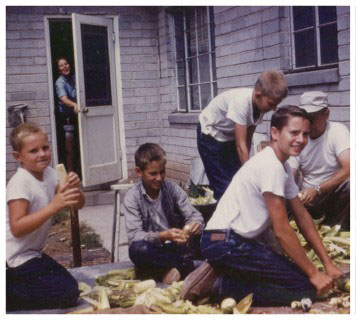
Since moving to Switzerland, I don’t have access to convenient and affordable casual taco shops. So I learned to cook the Cal-Mex food I wanted to eat. My kids haven grown up thinking tacos and guacamole are just as much of their lives as Bratwurst and Rösti.
Where to buy Mexican ingredients in Switzerland
In Zürich, I shop at El Maiz (Josefstrasse 23, 8005 Zürich), which is near the main train station. They have a good selection of chilis, salsa, beans, and excellent corn tortillas and chips. You can also find the Mi Adelita brand tortillas and Jemoli and Globus groceries.
There are a few online shops for Mexican ingredients: El Maiz, El Sol, Frida shop.
Where to eat Mexican food in Zürich
Our favorite taco shop is La Taqueria, which has two locations in Zürich. I love their fish tacos and their beans are always really tasty. They sell Sangria soda and horchata. But I think my carnitas are better 😉
La Brea makes mini SoCal style tacos. Their Al Pastor is pretty good, carne asada not so much. They have delish margarita cocktails. Cartel makes California style burritos. El Luchador also makes tacos but I haven’t been there. El Alebrije is a fancy Mexican restaurant. I’ve heard good things, but it’s not really what I’m looking for when I crave tacos.
Pork Carnitas recipe
One of my favorite taco fillings is “carnitas,” which is a slow roasted/braised pork. I use a variation of David Lebowitz’s recipe, which I’ve simplified somewhat after making it many times.
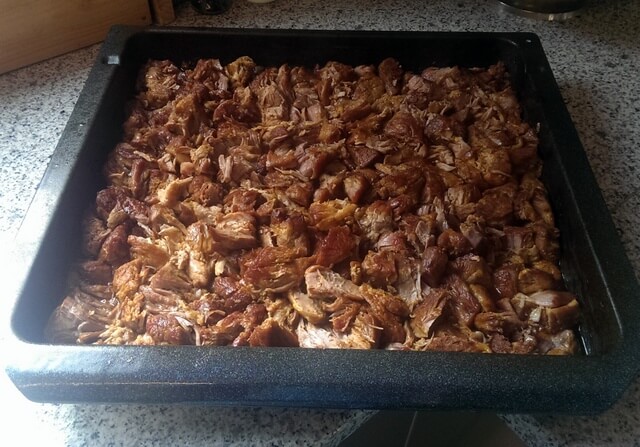
You can use as little as 500gr pork or as much as 6kg (shown in photo below). Just adjust the seasonings accordingly. Buy Schweizehals (neck), not Schweinschulter (shoulder); I’ve tried both many times and the Hals is always moister. I buy my meat at Kilometzg, which sells quality Swiss meat in bulk. You have to buy 2kg, but the price is around 30-50% less than at the regular grocery stores.
Ingredients
1 kg boneless pork shoulder (aka Schweinhals), cut into 2-3 inch chunks
1 tablespoon table salt
2 tablespoon cooking oil or lard
water
1 tablespoon chili powder or sweet paprika
1 teaspoon ground cumin
2 bay leaves
1 cinnamon stick
3 cloves of garlic, peeled and smashed
Method
- Salt pork pieces and refrigerate for 1-3 days. You can skip the refrigeration if you are short on time, but it does make a difference.
- Preheat oven to 180C.
- In a large pot or dutch oven, heat the oil, then brown pork on all sides. Don’t crowd your meat; brown in multiple batches if you have a lot of meat.
- Remove the pork and set aside. Pour in about 300ml water into the hot pan, scraping up the tasty brown bits from the bottom of the pan. Add the chili powder, cumin, bay leaves, cinnamon stick, garlic. Add back in the meat. Add more water so the pork is about 2/3 submerged in liquid.
- Place pot into oven and braise, uncovered, for about 3 to 3.5 hours. Check about every hour to turn your pork pieces, so one side doesn’t get too brown and dried out. Add a little water if it gets too low.
- When the pork is soft and falling apart, take the pot out and break apart the pork into edible-sized pieces. Stir it around in the fat and juices left in the pan. Put it back in the oven for about 15 minutes until most (but not all) of the liquid has evaporated and the pork starts to crisp up.
- Serve warm with tacos and/or with rice.
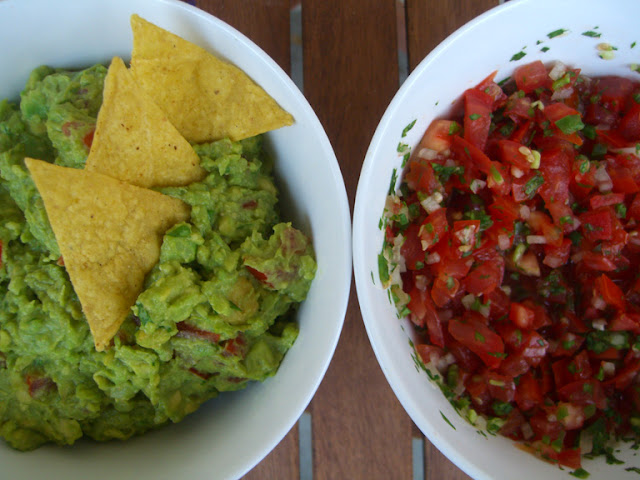
Roasted tomato salsa recipe
It’s hard to get a tasty tomato in Switzerland, even in summer. Roasting them is an easy fix to boost the flavor. If you can’t find fresh jalapenos, you can use jarred pickled jalapenos available at Coop and Migros. But in that case, do not pan roast them.
Ingredients
500gr tomatoes
1-2 jalapeno chilis, depending on how spicy you want the salsa
2-3 garlic cloves
¼ cup fresh coriander, chopped
1 medium white onion, chopped
¼-½ tsp salt, or to taste
fresh lime juice to taste, usually about half a lime
Method
- Pre-heat oven to 200C with the broiler on.
- Place tomatoes on a large baking pan, optionally lined with foil or baking paper to make clean up easier. Place pan in the upper part of the oven, a few cm under the broiler. After about 6-8 mins, check the tomatoes. If the skin is black and peeling off the tomatoes, they are ready to flip. Take the pan out of the oven and flip all the tomatoes so the unroasted side is facing up. Put the pan back in the oven and roast the tomatoes for another 6-8 minutes until the second side is also roasted and the flesh is soft.
- Take the tomato pan out of the oven and let the tomatoes cool about 5-10 minutes until you can easily handle them. Then remove and discard the skins. Core the tomatoes and be careful not to burn yourself on the hot juices from inside the tomatoes. Place the tomato flesh in a food processor, blender or mortar and pestle.
- While the tomatoes are roasting, place garlic cloves (in the skin) and jalapeno peppers in an ungreased pan over medium-high heat. Turn them occasionally until all sides are spotted black and the flesh is soft, about 8-10 minutes. Remove from pan and let cool a couple minutes.
- Take the skin off the garlic and roughly chop. For the jalapenos, if want the salsa to be less spicy, you can optionally slice them open and remove the seeds and membranes. Then roughly chop the peppers.
- Add garlic and peppers to the food processor with the tomatoes. Pulse briefly until tomatoes are roughly chopped, not a smooth puree.
- Pour tomato mixture into a bowl. Mix in chopped onions, chopped fresh coriander, salt to taste (about 1/2 tsp) and lime juice to taste (about 1/2 lime squeezed). Can be eaten immediately but better after sitting about an hour.
Tomato rice
I don’t make tomato rice for every weekday taco night, but it’s always welcome and not difficult. You simply make a triple batch of the roasted tomato salsa from above and use 2 cups of it for the rice. The rest of the salsa can be served as a side at the table. This recipe is adapted from Rick Bayless’s Mexican Kitchen.
Ingredients
- 2 cups rice (I use Carolina or Jasmin)
- cooking oil or lard
- 2 cups roasted tomato salsa (from recipe above or bottled)
- 1.75 – 2 cups broth or water
- 1 tsp salt
Method
- Heat 2 tablespoons of oil in a large pot over medium heat.
- Add the uncooked rice to the pan and sauce for about 5 mins until the rice turns a white chalky color.
- Add 2 cups of the salsa and stir for about 2 minutes until most of the liquid is absorbed.
- Add the broth and salt and stir briefly to make sure all rice is off the sides of the pan.
- Bring to a simmer. Put the lid on the pot, then transfer to the oven. Bake for 25 minutes.
- Remove pot from oven. Gently stir the rice and let sit for a few minutes, without the lid, to dry out a bit so the rice doesn’t get soggy.
- To reheat, you can spread the rice on a baking sheet and warm in the oven for a few minutes.
Note: The original recipe calls for 1.5 cup of broth but my rice is never fully cooked with this amount of liquid. Two cups usually works for me, but sometimes the result is a little wet. I think it depends on how juicy the tomatoes in the salsa are. Swiss tomatoes aren’t very juicy. So I think that’s why I need more liquid.
Easy refried beans
Beans aren’t sexy, but they are a required part of any Cal-Mex meal for my family. Since pinto beans are hard to find in Switzerland, I often use borlotti or black beans (dried or canned) to make refried beans. At my Coop, I can buy canned pinto beans, in the ethnic food section but not in the Mexican section. At El Maiz, you can buy canned Bayo beans, which are the most authentic tasting bean for refried beans that I’ve tried.
With canned beans, it’s as simple as frying onions and garlic, then adding the beans with water and pureeing them with a stick blender. You can add more spices and flavorings to make them more interesting, as suggested in my recipe.
With dried beans, I highly recommend using a pressure cooker, which cooks the beans in about 30 mins. With the hard water in Zürich, I’ve cooked beans in a normal pot for over 6 hours and they never got soft. Soaking beans overnight and cooking them with a little baking soda is supposed to help. But it never worked for me.
Refried beans freeze very well, so I usually make 1kg at a time and freeze small bags for later meals.
Ingredients
- 1 onion, chopped
- 4 slices bacon, sliced into 1cm chunks (optional, you can use lard or oil instead of bacon grease)
OR replace bacon with 1 tablespoon cooking oil - 2 cans (about 250gr) cooked beans (borlotti, pinto, bayo, black beans, etc)
- ½ tsp cumin
- 1/2 tsp paprika
- Salt
Method
- In a pot over medium heat, cook the bacon until it has rendered its fat and is somewhat crispy.
- Remove the bacon, leaving grease. Sauté onions until soft, about 5 minutes. Add garlic and spices and sauté for 1 minute.
- Meanwhile, drain and rinse the canned beans. Add beans to pot with about ½ cup water. Use a stick blender to puree to desired consistency. (Or use a blender or food processer)
- Taste beans and add salt as necessary. Canned beans often don’t need extra salt.
- Serve beans immediately or leave beans longer on a low heat to mellow the flavors. As the beans cook, stir regularly and add water as needed to prevent them from sticking to the bottom of the pan and/or drying out.
Flour tortillas
I intensely dislike Swiss supermarket tortillas; they taste stale and like chemicals to me. So I always make my own flour tortillas, which are not difficult and definitely worth the effort. In an emergency, I’ll use the Kale Dürüm flatbread you’ll find in the Middle-Eastern food section (not in, but next to, the Mexican section) at some Coops and Migros.

Ingredients
1.5 cups (200g) flour
1/4 tsp salt
3 tablespoons (40g) unsalted butter
about 1/2 cup water
Method
- In a food processor, pulse the flour, salt and butter for 30-60 seconds until well-mixed. With the machine running, pour the water through the feeding tube and process just until dough forms a rough ball (about 1 minute). Remove dough.
(To mix by hand, cut the butter into the flour using knives or a pastry cutter. Then add the water a couple tablespoons at a time as you mix/knead the dough.) - You can use the dough right away, but it’s better if you let it rest at least 20 minutes for the gluten to relax. To rest the dough, wrap the dough in plastic and let sit at room temperature for up to 4 hours before forming the tortillas.
- To form the tortillas, cut the dough into 6-10 pieces, depending on how big you want the tortillas to be. Roll each piece into a ball. On a floured surface, press each ball into a disk then use a rolling pin to roll it out very thin. I usually do 8 pieces for this recipe, which roll out to about a 16 cm circle.
- Heat a large skillet or electric griddle over medium-high heat. Cook the tortillas on the griddle about 15 seconds on the first side, then flip. Then about 1 min each side, until brown spots begin to appear. Be careful to not cook too long or they will be crispy and dry. A good tortilla will puff up after the first flip.
- Stack and wrap tortillas in a clean kitchen towel or covered dish to keep them warm and moist.
Corn tortillas
I used to make my own corn tortillas. I would buy the Masa Harina flour that you can mix with water and salt to make a maiz dough. Using my tortilla press, I would press out little dough balls and cook them on a griddle. But reconstituted maiz just isn’t as tasty as tortillas made with fresh maiz. So now I always buy the refrigerated tortillas from El Maiz in Zurich and reheat them at home.
To reheat corn tortillas, you need heat and a little moisture to keep them soft and pliable. Some people steam them, but I prefer to dip each tortilla briefly in water then place on a hot non-stick pan for 10-30 seconds per side. Then I put them in a covered basket where the heat and moisture keeps the stack of tortillas ready to go for about an hour.